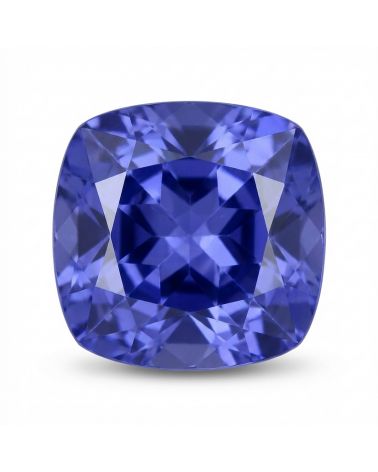
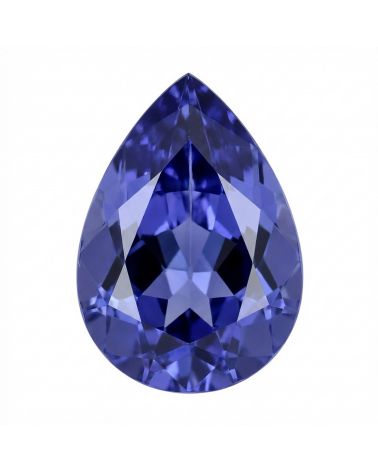
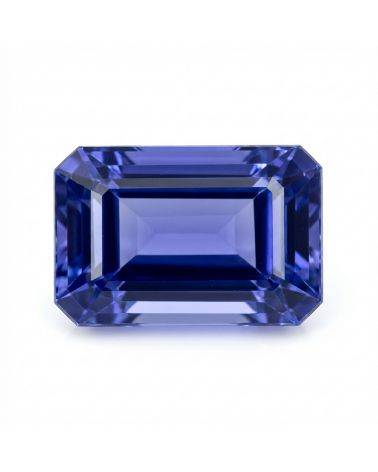
Tanzanite is one of the rarest and most fascinating gemstones in the world. Discovered in 1967 in Tanzania, this gem with mesmerizing blue-violet hues exists nowhere else on Earth. Its unique origin, captivating color that changes with viewing angle, and exceptional rarity make it a treasure coveted by collectors and fine jewelry enthusiasts alike.
Discovery and History of Tanzanite
Copy
The history of tanzanite is as recent as it is exceptional. In 1967, a Maasai herder named Ali Juuyawatu accidentally discovered sparkling blue-violet crystals in the Merelani Hills near Mount Kilimanjaro in Tanzania. This discovery would revolutionize the world of jewelry.
The stone was quickly identified as a blue variety of zoisite, a mineral previously unknown in this spectacular hue. It was the renowned Tiffany & Co. who named this gem "tanzanite" in honor of its unique country of origin, and helped popularize it worldwide from 1968 onwards.
💡 Did you know?
Tanzanite is 1000 times rarer than diamond! It is only found in a 20 km² area in Tanzania. Geologists estimate that deposits could be depleted within 20 to 30 years, making each tanzanite even more precious. In 2002, the American Gem Trade Association officially added it to the list of birthstones for December.
Unlike traditional gemstones with millennia of history, tanzanite is a modern gem that has captured the hearts of jewelers and collectors in less than a century. Its absolute geographic rarity and scheduled depletion make it a precious investment.
Unique Characteristics and Properties of Tanzanite
Copy
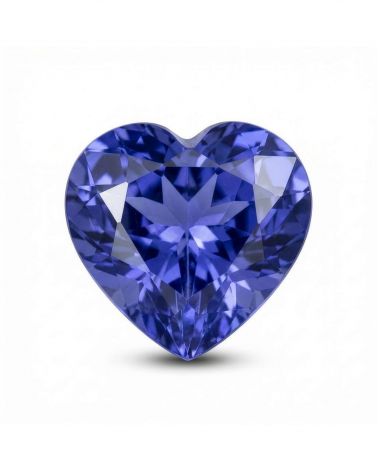
Tanzanite belongs to the zoisite mineral family. Its characteristic blue-violet color comes from traces of vanadium in its chemical composition. What makes tanzanite truly unique is its exceptional pleochroism: it displays different colors depending on the viewing angle.
Pleochroism is the optical phenomenon that makes tanzanite famous. This stone exhibits exceptional trichroism, displaying three distinct colors depending on the observation axis:
Intense sapphire blue: When viewing the stone from a certain angle
Amethyst violet: From another angle, revealing its purple facet
Reddish-brown or bronze: The natural raw color before heat treatment
Most tanzanites on the market have undergone controlled heat treatment to reveal and stabilize their blue-violet hues. This treatment, universally accepted in the industry, transforms the natural brown color into brilliant blue and is considered permanent.
🔹 Tanzanite color grades
Shade
Description
Value
Intense blue-violet
Perfect saturated blue-violet balance
Very high (AAA)
Blue dominant
Deep blue with violet nuances
High (AA+)
Violet dominant
Amethyst violet with blue reflections
Medium to high (AA)
Pale color
Light blue-violet, less saturated
Standard (A)
How to Choose Quality Tanzanite
Copy
Evaluating tanzanite relies on specific criteria that determine its value and beauty. Color is the most important factor, followed by clarity, cut, and carat weight.
Criterion
What to look for
Color
Intense and saturated blue-violet (ideal 70% blue / 30% violet balance)
Saturation
Vivid and deep color, neither too light nor too dark
Clarity
Eye-clean (no inclusions visible to the naked eye)
Cut
Precise cut maximizing pleochroism and brilliance
Weight
5+ carats for optimal color (large stones preferred)
Treatment
Standard heating accepted (98% of tanzanites), must be disclosed
💡 Aden expert advice
Tanzanite is more delicate than sapphire or ruby (hardness 6-7 vs 9). For everyday wear, prefer pendants and earrings rather than rings, or choose a protective setting for rings. Always request a gemological certificate (GIA, IGI) confirming authenticity, Tanzanian origin, and any treatments.
At Aden, we select only AAA grade tanzanites with exceptional color and flawless clarity.
Tanzanite Jewelry at Aden
Copy
At Aden, we celebrate the rarity and unique beauty of tanzanite through exceptional jewelry creations. Each stone is meticulously selected for its intense color and spectacular pleochroism. Our artisans create settings that enhance and protect this precious gem.
🔹 Our signature tanzanite creations
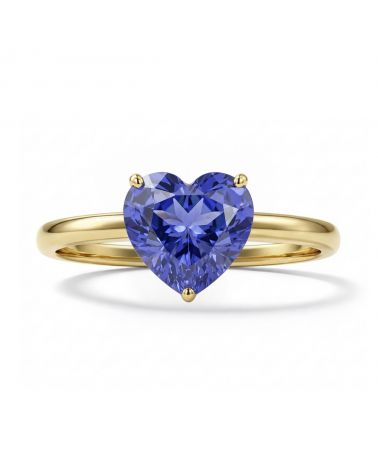
Cocktail rings: XXL tanzanites (5+ carats) set in white gold or platinum with diamond pavé
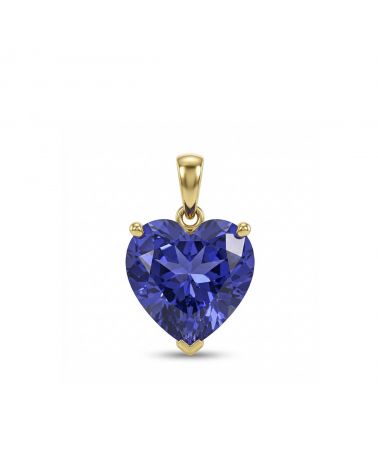
Elegant pendants: Designs that capture light and reveal unique pleochroism
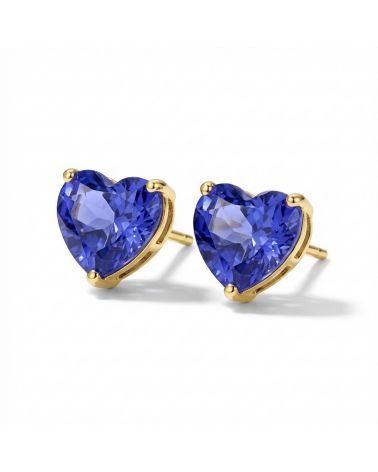
Refined earrings: Studs or drops showcasing blue-violet brilliance
Custom creations: Transform your vision into reality with our master jewelers
Absolute rarity: Single worldwide source, soon to be depleted
Unique color: The color-changing blue-violet exists in no other stone
Precious investment: Increasing value as deposits become scarcer
Modern birthstone: Perfect gift for December birthdays
Sapphire alternative: Comparable beauty, more distinctive character
💎 Custom design service
Dreaming of a unique tanzanite piece? Our jewelry artisans bring your desires to life with carefully selected exceptional stones. From engagement rings to statement necklaces, we create the piece that reflects you.
Tanzanite is one of the rarest gemstones in the world because it is found in only one place on Earth: the Merelani Hills in Tanzania, near Mount Kilimanjaro. This unique 20 km² mining area makes tanzanite 1000 times rarer than diamond. Moreover, deposits are gradually depleting, which further increases its rarity and value.
🔹 How to recognize quality tanzanite?
Exceptional quality tanzanite displays an intense and saturated blue-violet color, ideally with a perfect balance between blue and violet. Clarity should be high with few inclusions visible to the naked eye. Pleochroism, the unique optical phenomenon of tanzanite, should be clearly visible with shades varying according to viewing angle. Stones over 5 carats with intense color are particularly sought after.
🔹 Does tanzanite require special care?
Tanzanite is a relatively delicate stone with a hardness of 6 to 7 on the Mohs scale. It therefore requires precautions: avoid shocks and intense physical activities, remove your jewelry before cleaning or sports, clean gently with warm soapy water and a soft cloth, avoid ultrasound and steam for cleaning. Store your tanzanite jewelry separately to avoid scratches. Annual inspection by a professional jeweler is recommended.
Discover Exceptional Tanzanite
Explore our certified tanzanite jewelry collection or create a unique piece celebrating this rare gem.