Ruby, sapphire, emerald, diamond, but also mother-of-pearl, coral or labradorite: every stone has its own story, color and care needs. This Aden guide helps you get to know them, compare them and choose the one that suits you.
For each gemstone, discover its symbolism, origins, hardness and our practical advice, then find our jewelry in the matching collection.

Table of contents
Precious, semi-precious, organic: what is the difference?

- Precious stones: traditionally diamond, ruby, sapphire and emerald, the rarest and hardest.
- Semi-precious stones: all the other mineral gems (amethyst, topaz, garnet, peridot, aquamarine, tanzanite...), often highly prized in jewelry.
- Organic materials: born of living creatures, such as mother-of-pearl or coral.
We first present Aden's six signature gemstones: the four classic precious stones, plus aquamarine and tanzanite, both in great demand in jewelry.
Aden's six signature gemstones
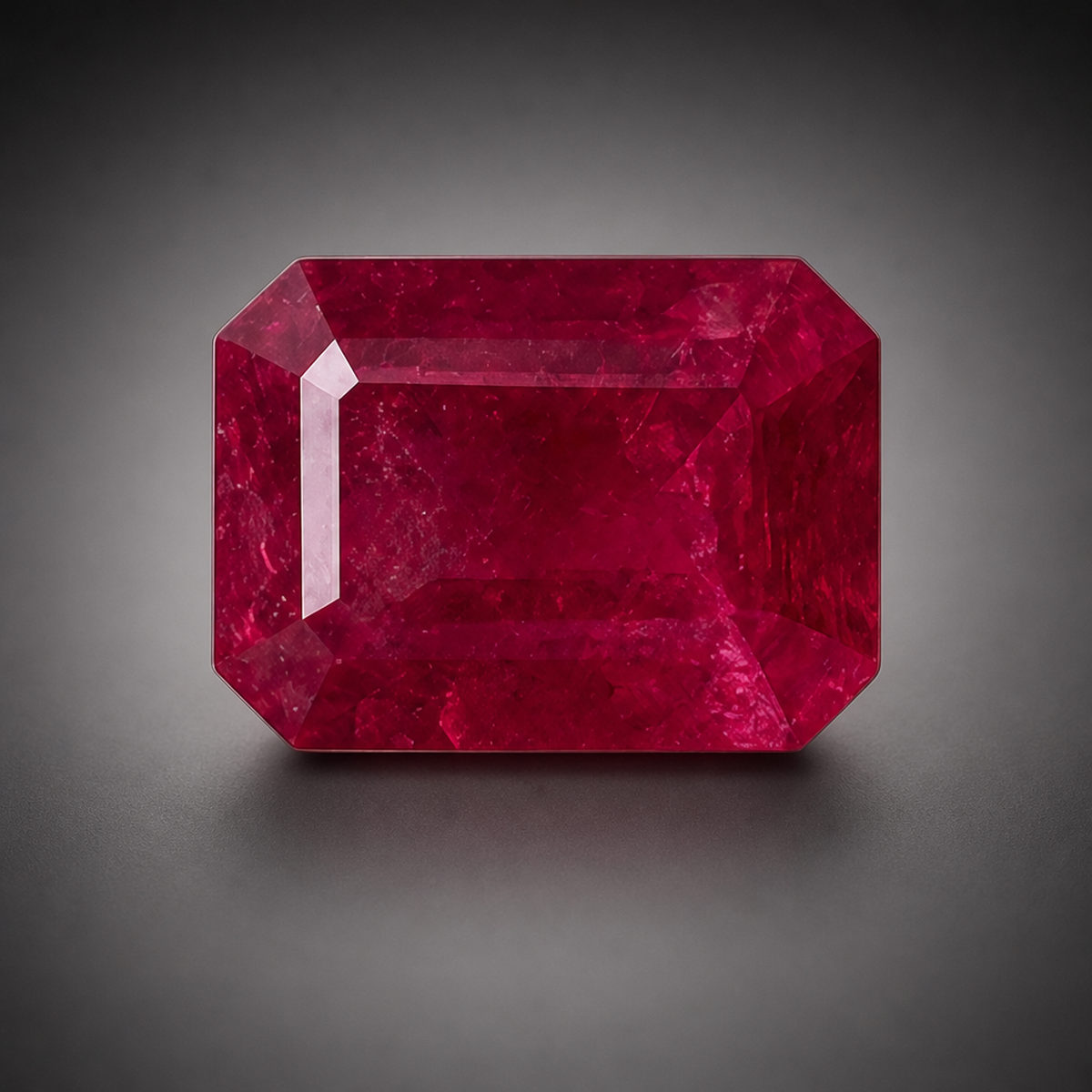
Ruby
The ruby, often associated with love and passion in antiquity, is recognizable by its pink to red color. The rarest is called "pigeon blood". Its birthstone month is July. Our rubies come mainly from Burma, Sri Lanka or Madagascar.
Good to know: hardness 9 on the Mohs scale, suitable for everyday jewelry.
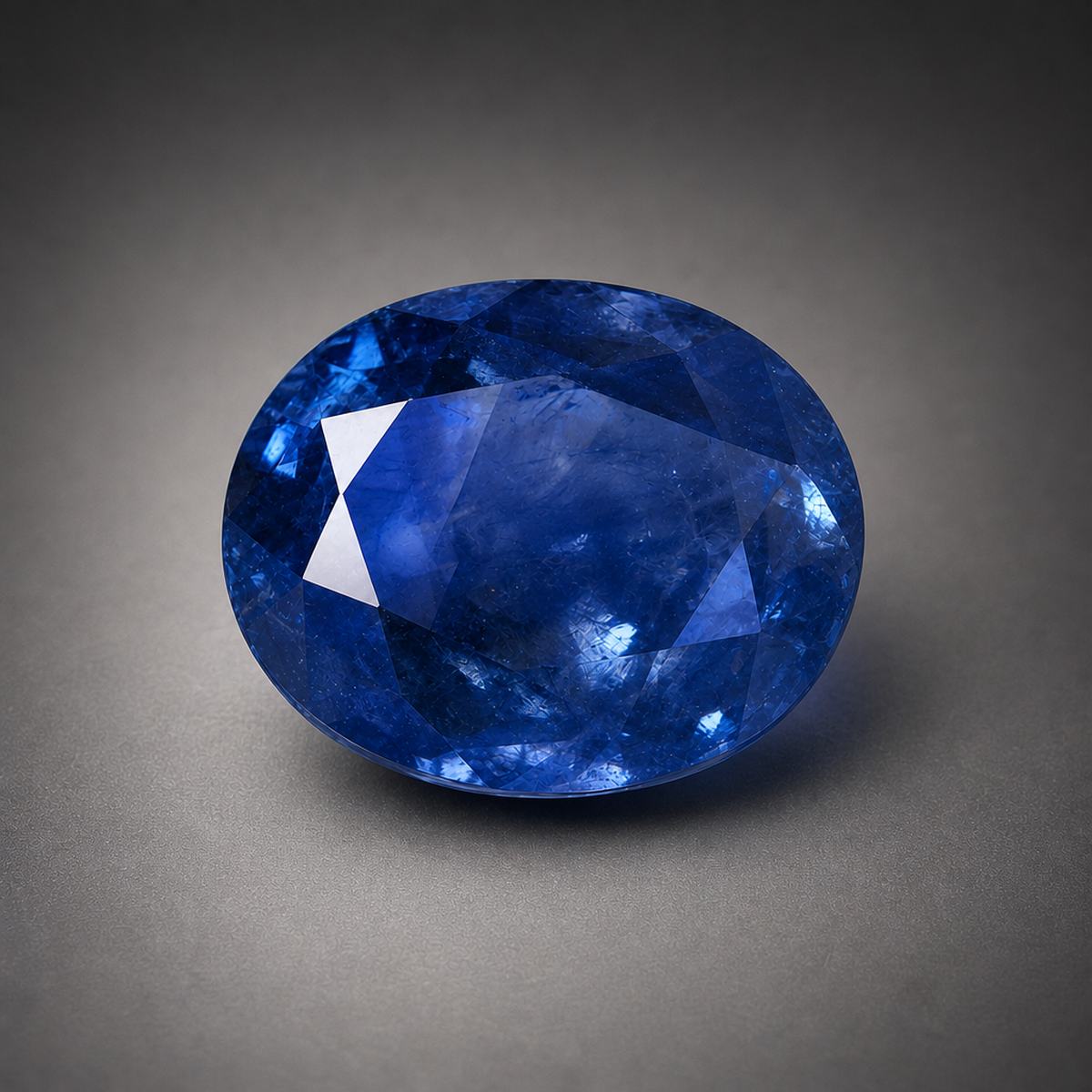
Sapphire
The sapphire can come in different shades: pink, green, violet or orange. Blue nevertheless remains the most popular color in jewelry. An emblem of immortality, its birthstone month is September. Our sapphires come from Burma, Sri Lanka, Madagascar or Thailand.
Good to know: hardness 9, very resistant.
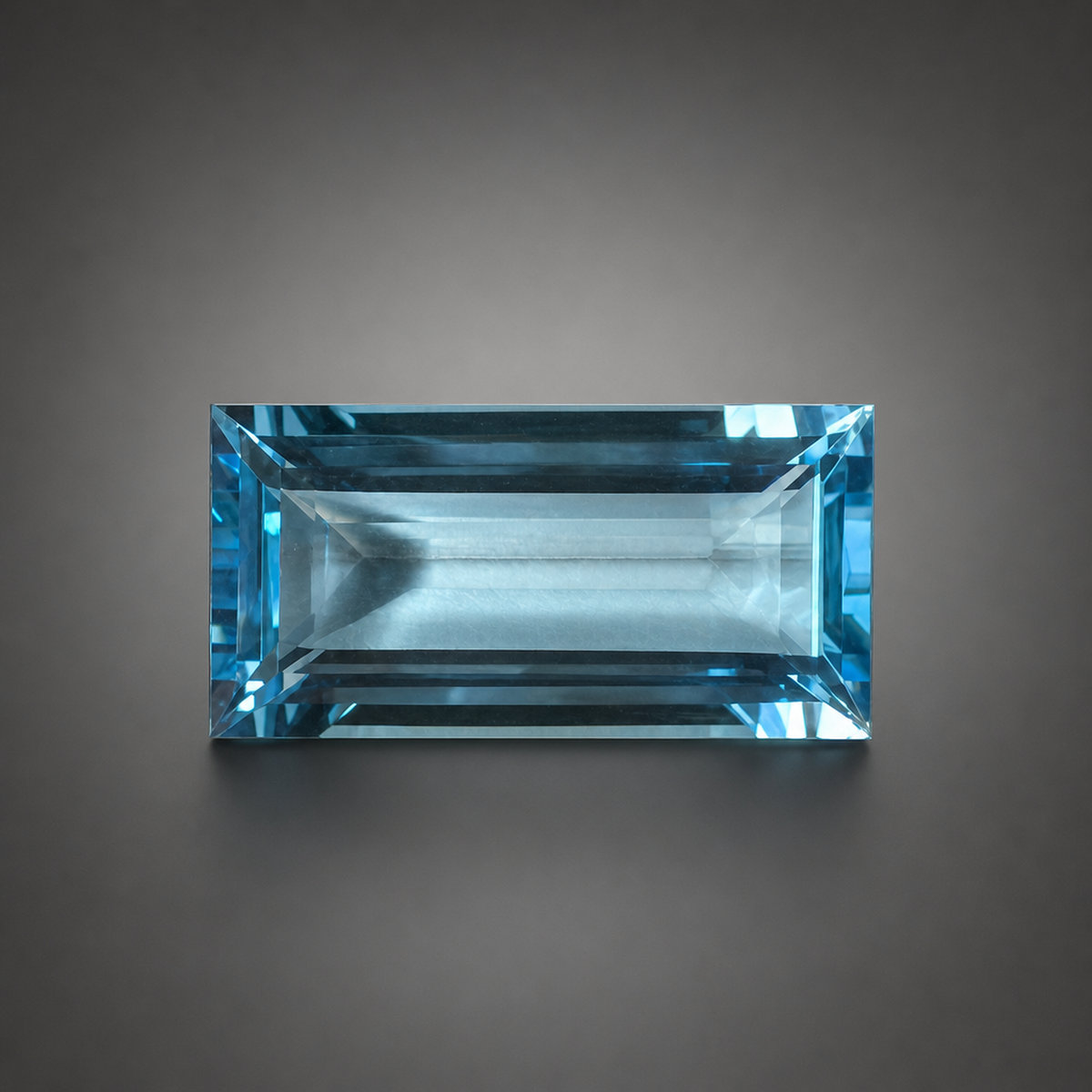
Aquamarine
Aquamarine, whose name means "sea water" in Latin, has an azure blue color. Very fashionable for engagements, it is the symbol of fidelity between spouses. Its birthstone month is March. Our aquamarines come from Brazil.
Good to know: hardness 7.5 to 8, fairly resistant; avoid knocks.
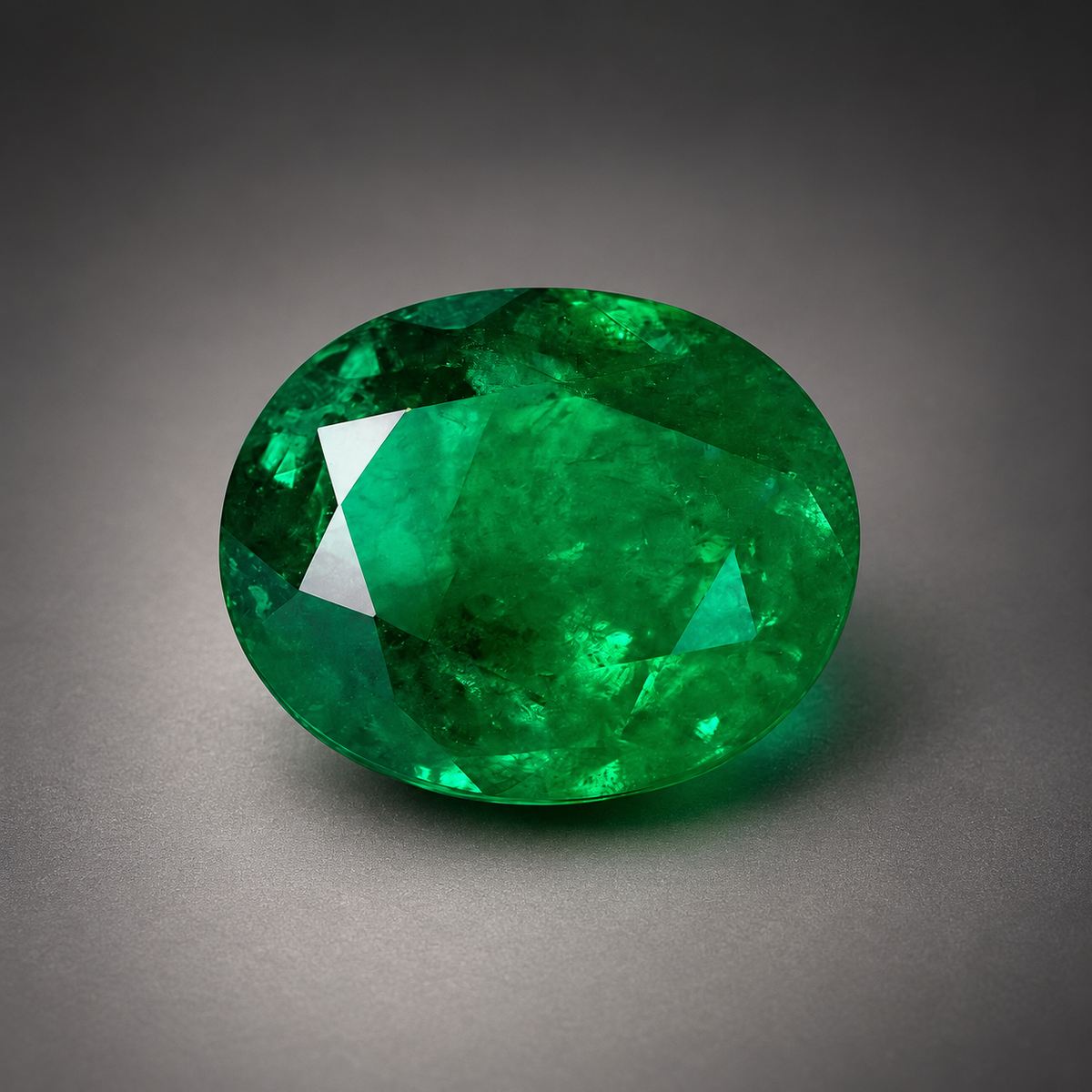
Emerald
The emerald is a prestigious stone, recognizable by its vivid green. A member of the beryl family, it is a very rare precious stone that naturally contains many inclusions. A symbol of renewal and hope, its birthstone month is May. Our emeralds come from Colombia, Brazil or Zambia.
Good to know: hardness 7.5 to 8, but its inclusions make it more fragile to knocks; avoid ultrasonic cleaning.
Emerald, the May stone · Emerald guide · Our emerald jewelry
Diamond
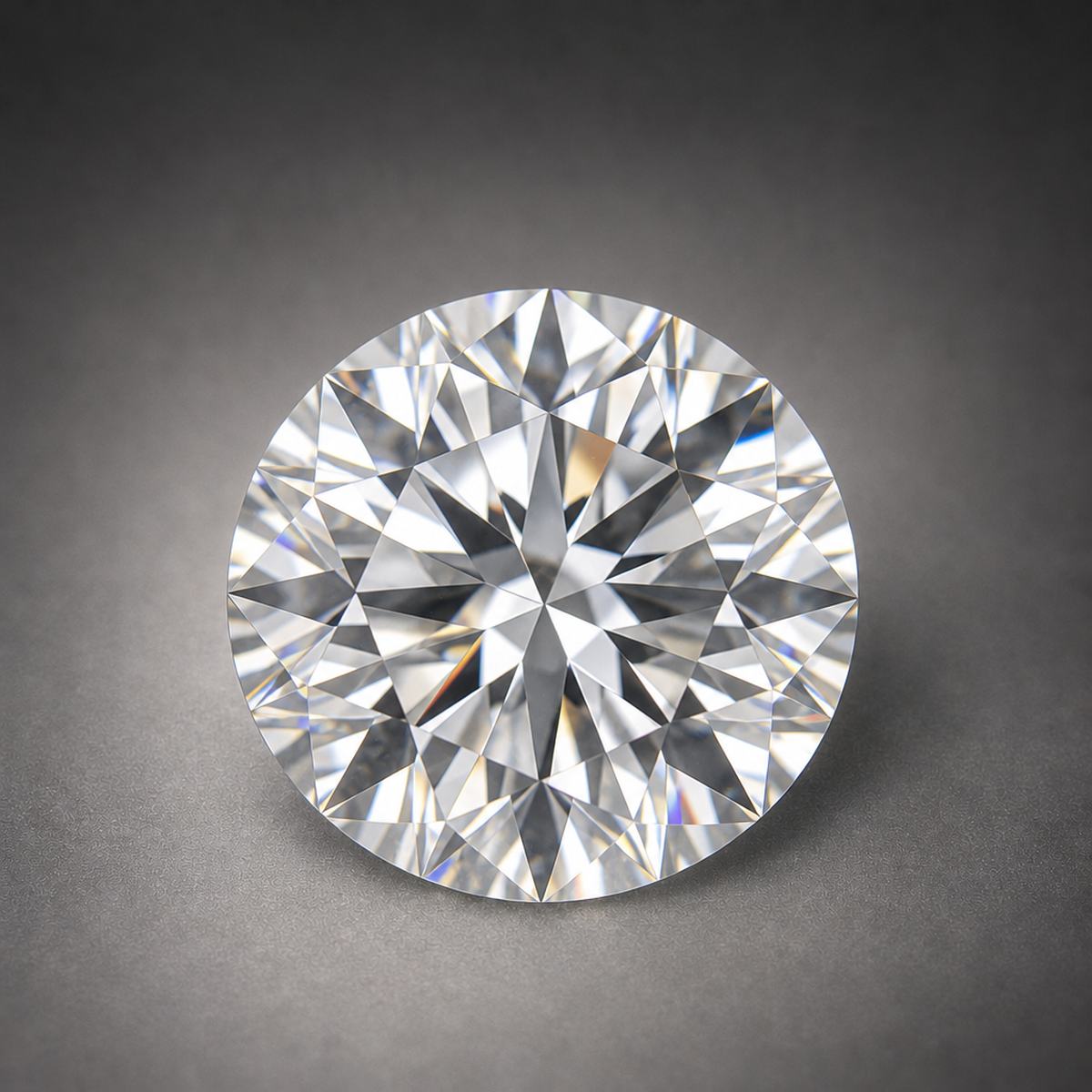
The diamond is made of pure crystallized carbon, one of the hardest natural materials there is. The king of jewelry, it symbolizes wealth and rarity. To judge its quality, the 4Cs rule applies: Carat, Color, Clarity, Cut. Its birthstone month is April. Our diamonds come from Canada and Brazil.
Good to know: hardness 10, it scratches every other gemstone: store it separately.
Tanzanite
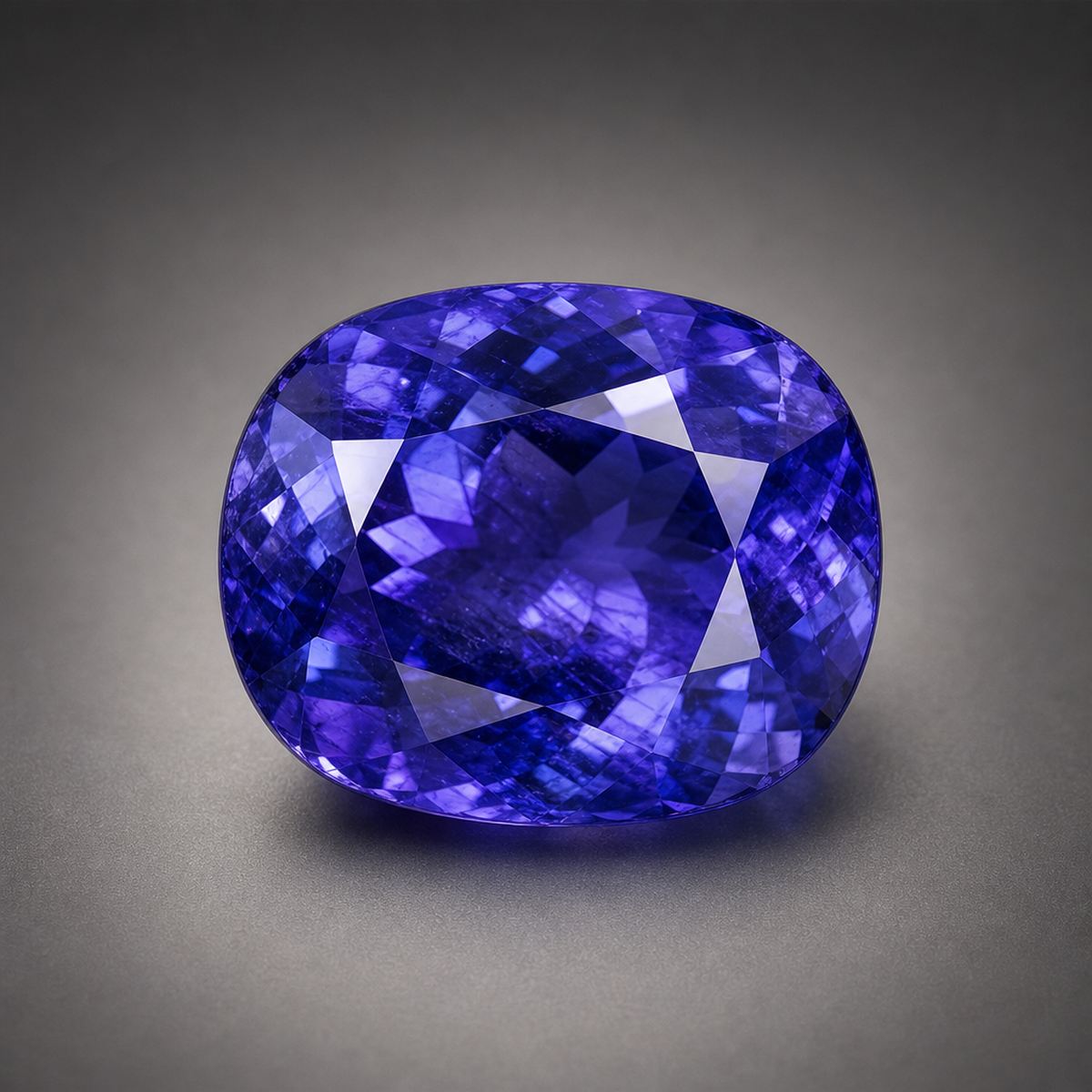
Tanzanite, discovered in 1967 in Tanzania, is a very rare stone with a blue color and violet reflections. As its name suggests, it comes from Tanzania; its birthstone month is December. Increasingly used in jewelry, it has earned its place among precious stones through its original color.
Good to know: hardness 6.5 to 7, sensitive to knocks and heat.
All about tanzanite · Merelani collection · Our tanzanite jewelry
Semi-precious and organic stones
Please note: the "virtues" mentioned below belong to tradition and symbolism (lithotherapy) and have no medical value.
White mother-of-pearl
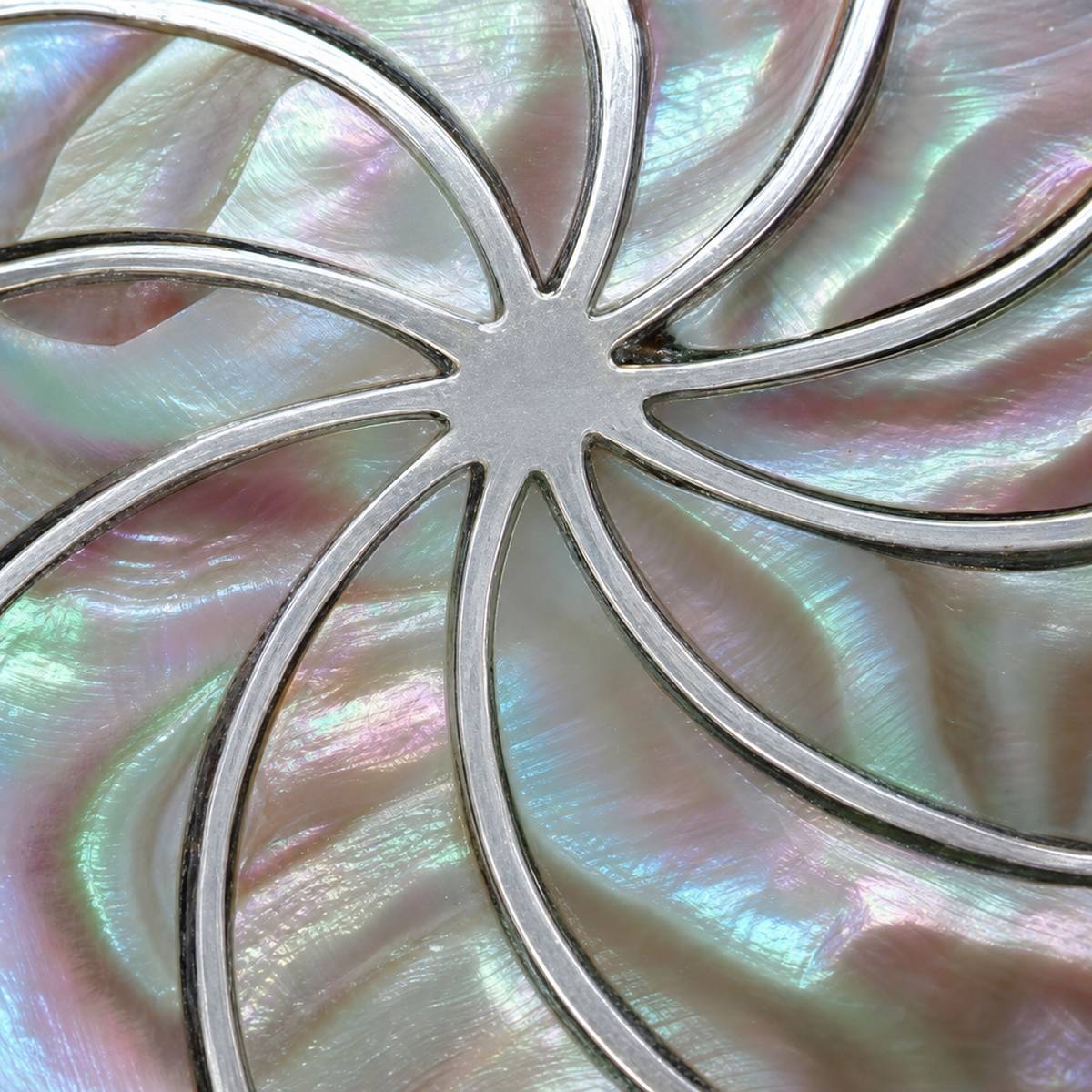
Mother-of-pearl and its iridescent reflections have fascinated people since antiquity. It is seen as a symbolic link between earth and sea. The sacred symbolism of the pearl and of the shell's fertilization refers to motherhood, and mother-of-pearl is thus identified with femininity. According to tradition, it is credited with soothing virtues.
Abalone mother-of-pearl
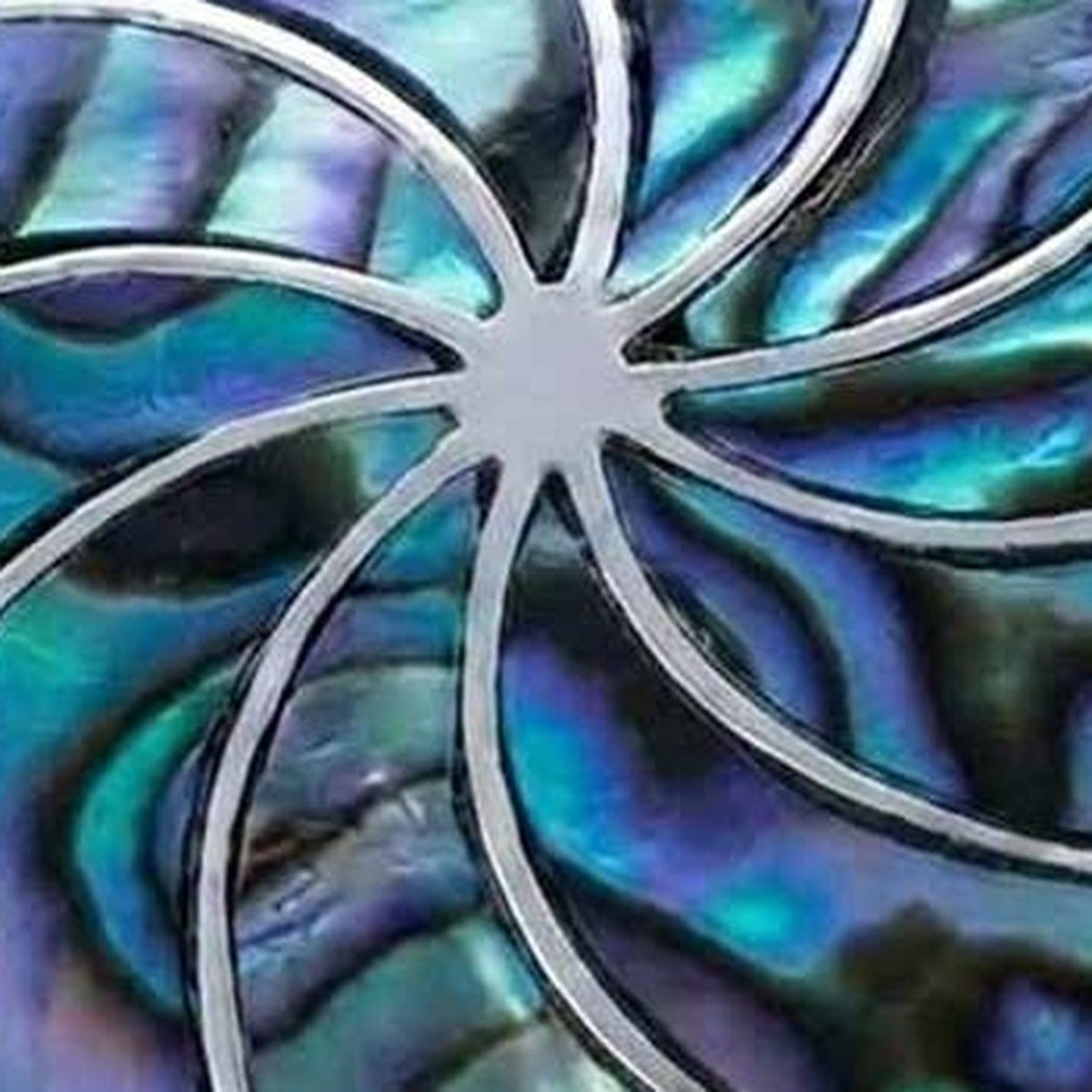
Taken from the haliotis shell, abalone mother-of-pearl stands out for its shifting blue, green and violet reflections. Every piece is unique. It evokes the sea and its depths.
Coral
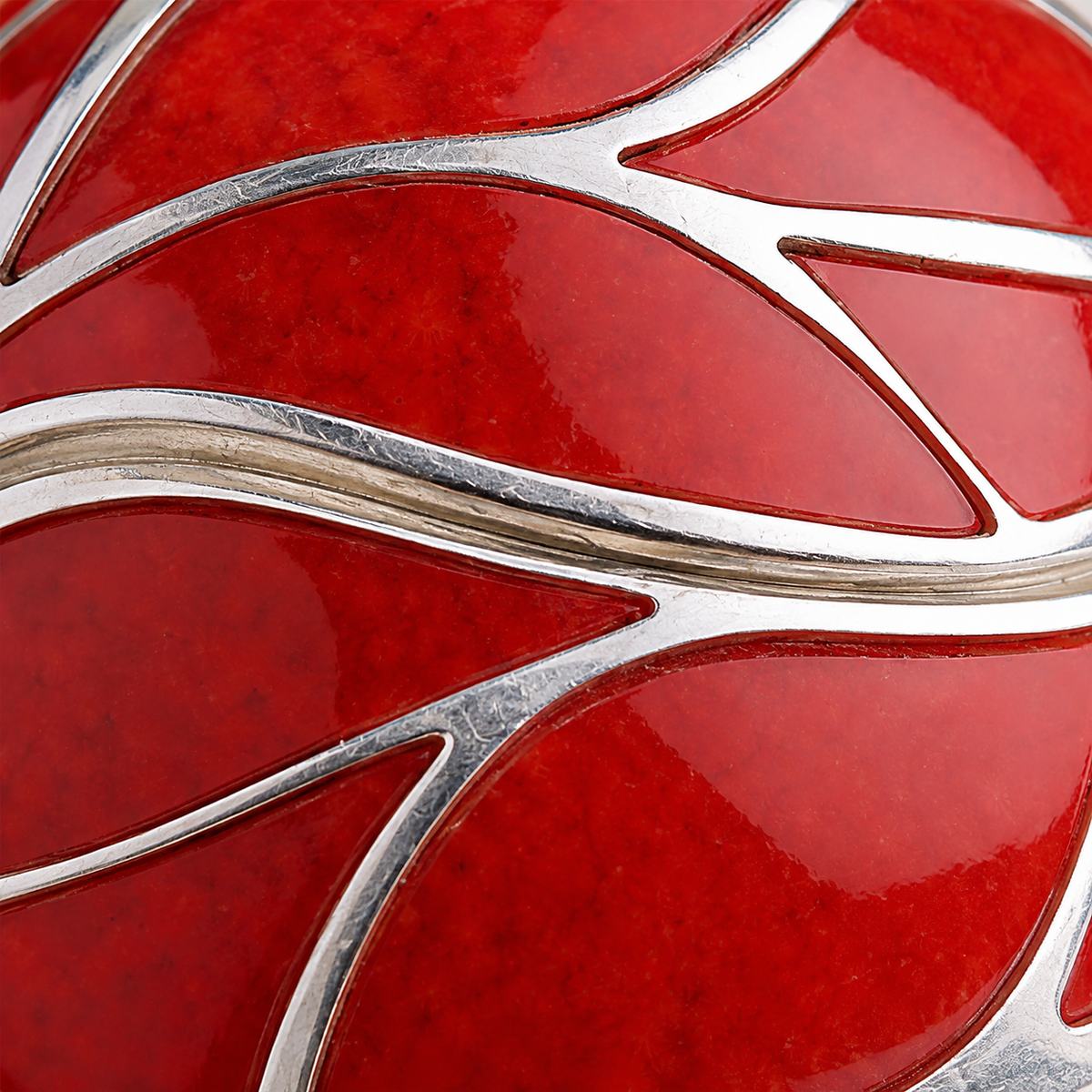
Coral has always been associated with vitality because of its blood-red color. According to tradition, it brings inspiration and confidence. Our coral jewelry is made from fragments of gorgonian coral, selected on the shores of the Indian Ocean and then worked by our artisans; its color is enhanced and stabilized before a protective Clean varnish is applied.
Labradorite
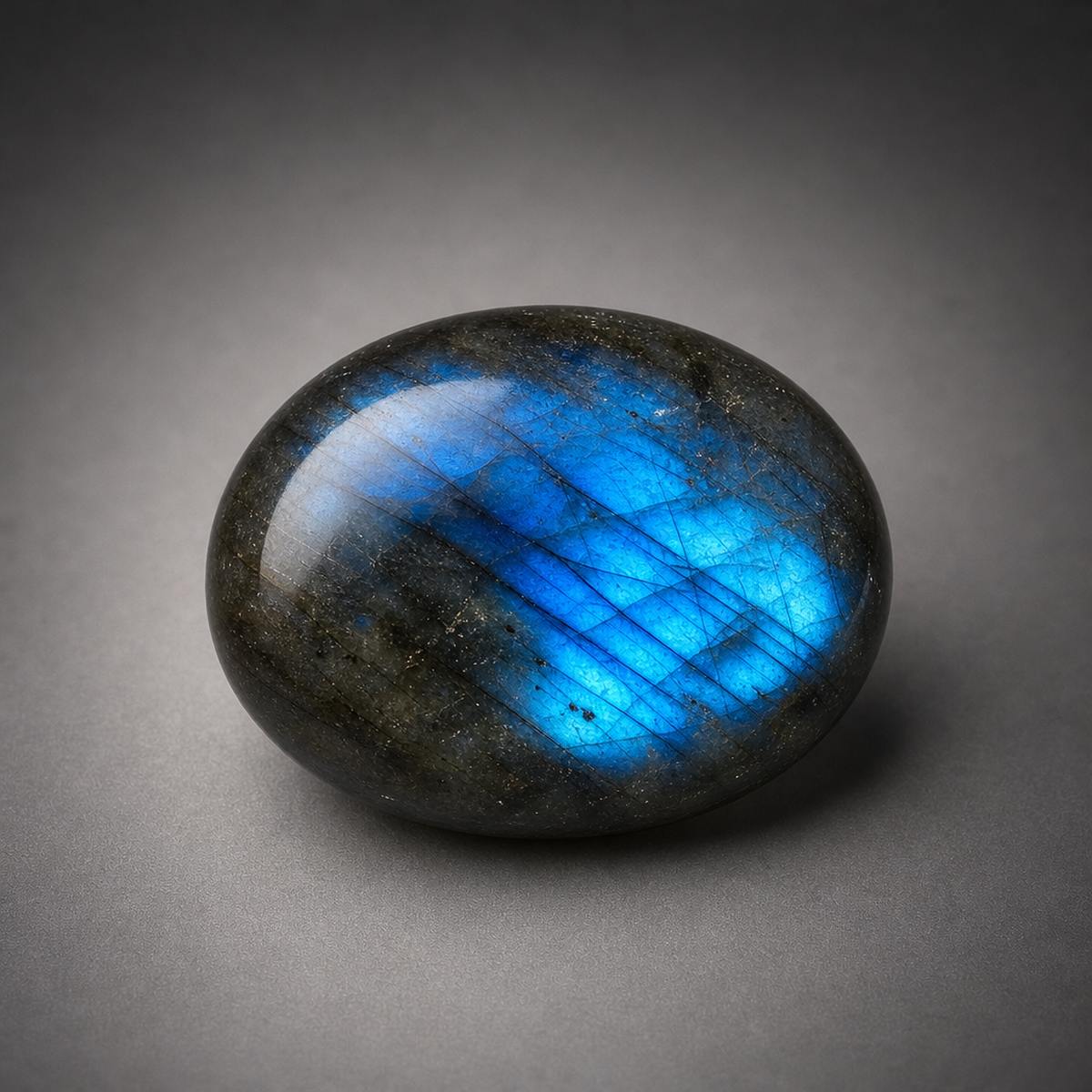
Labradorite, formed in rock, shows metallic blue (sometimes yellow) reflections that change with the light. According to tradition, it protects the mind. Our labradorites come from Canada, Australia and also Madagascar.
Moonstone
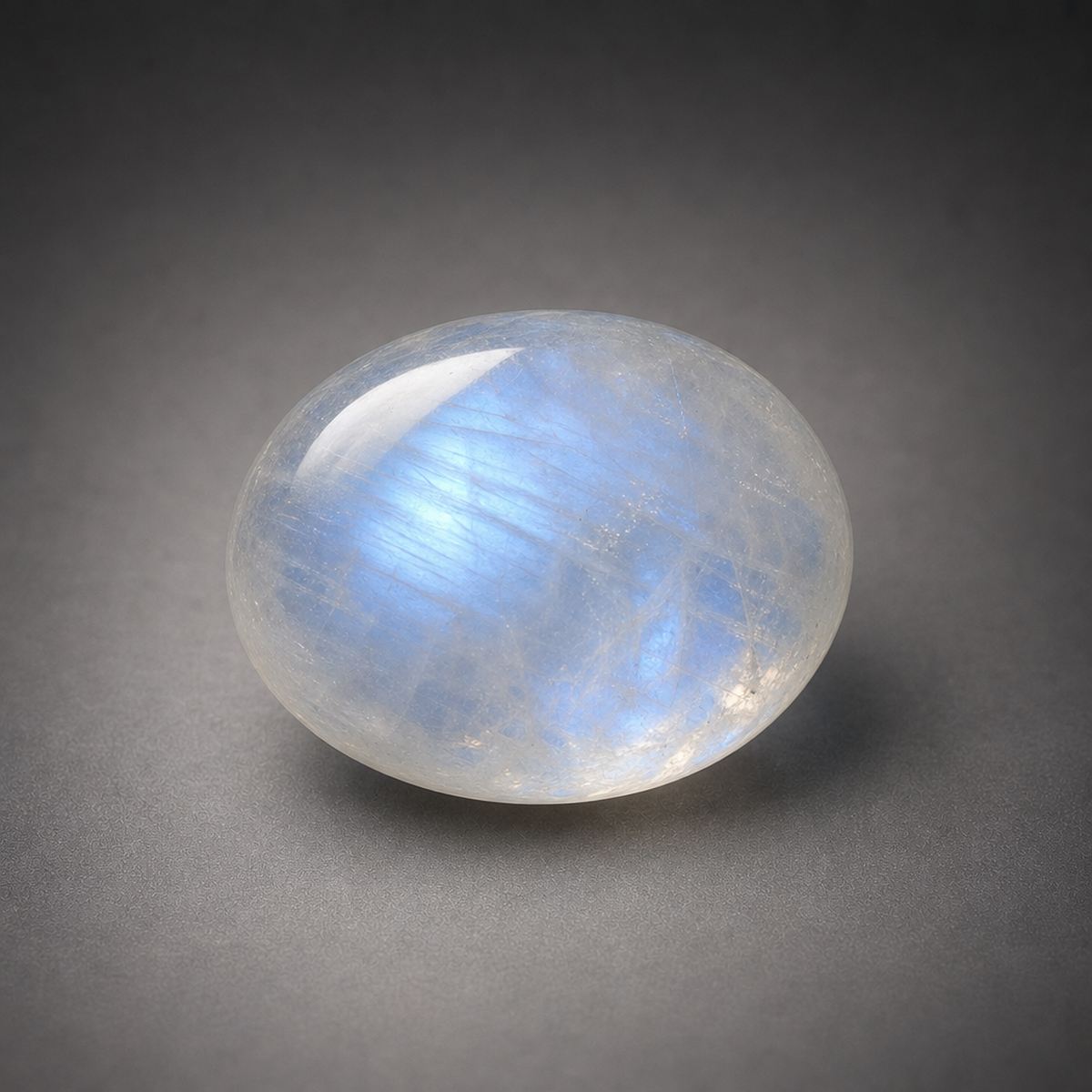
The moonstone is said to represent the light that reassures in the dark, with its white color and silvery blue reflections. It is said to bring luck and to accompany travelers. Its birthstone month is June. It originates from India, Sri Lanka and Brazil.
Garnet
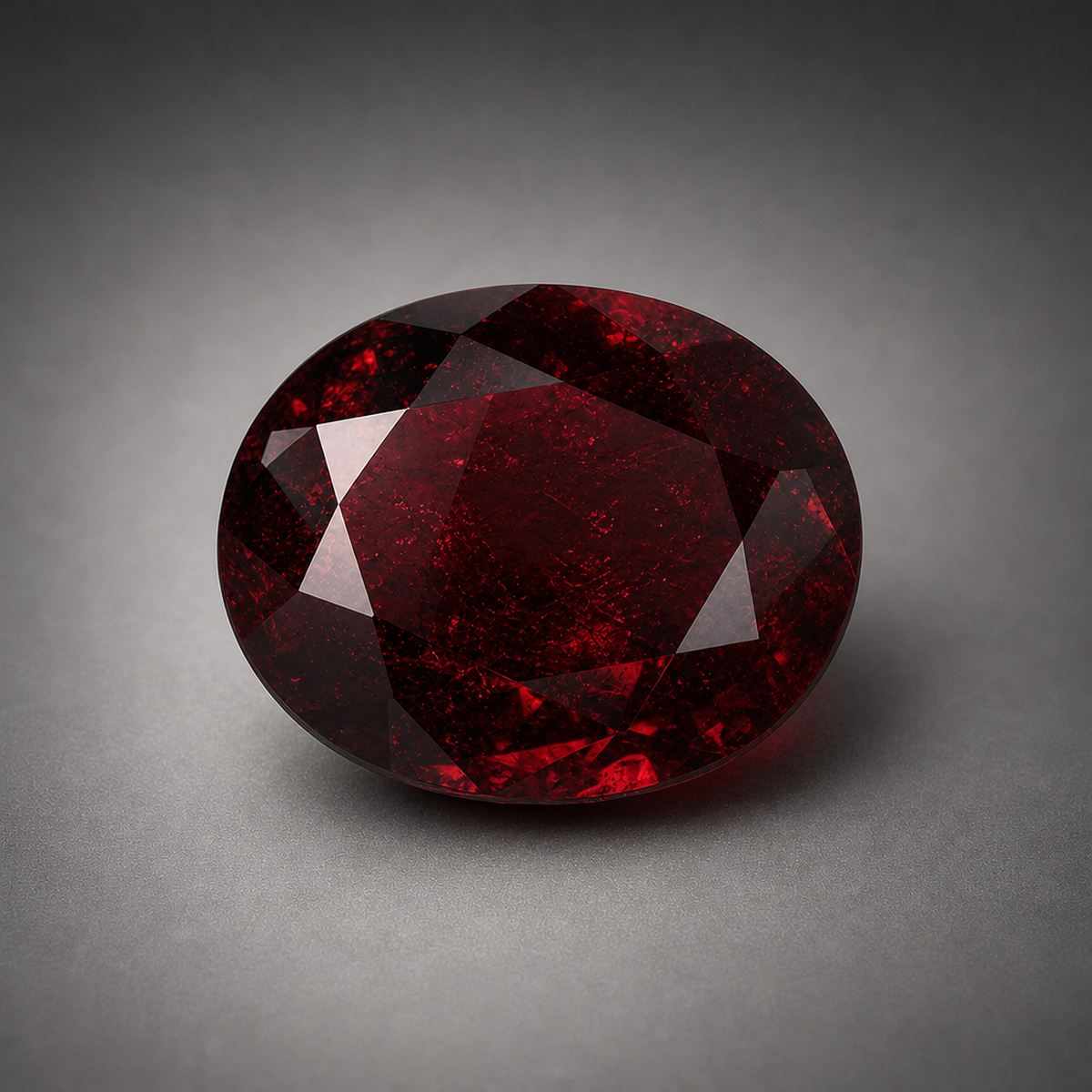
The garnet, with its irresistible shades of red, symbolizes emotional balance, strength and vitality. Its birthstone month is January. Our garnets come from Brazil, Sri Lanka and India.
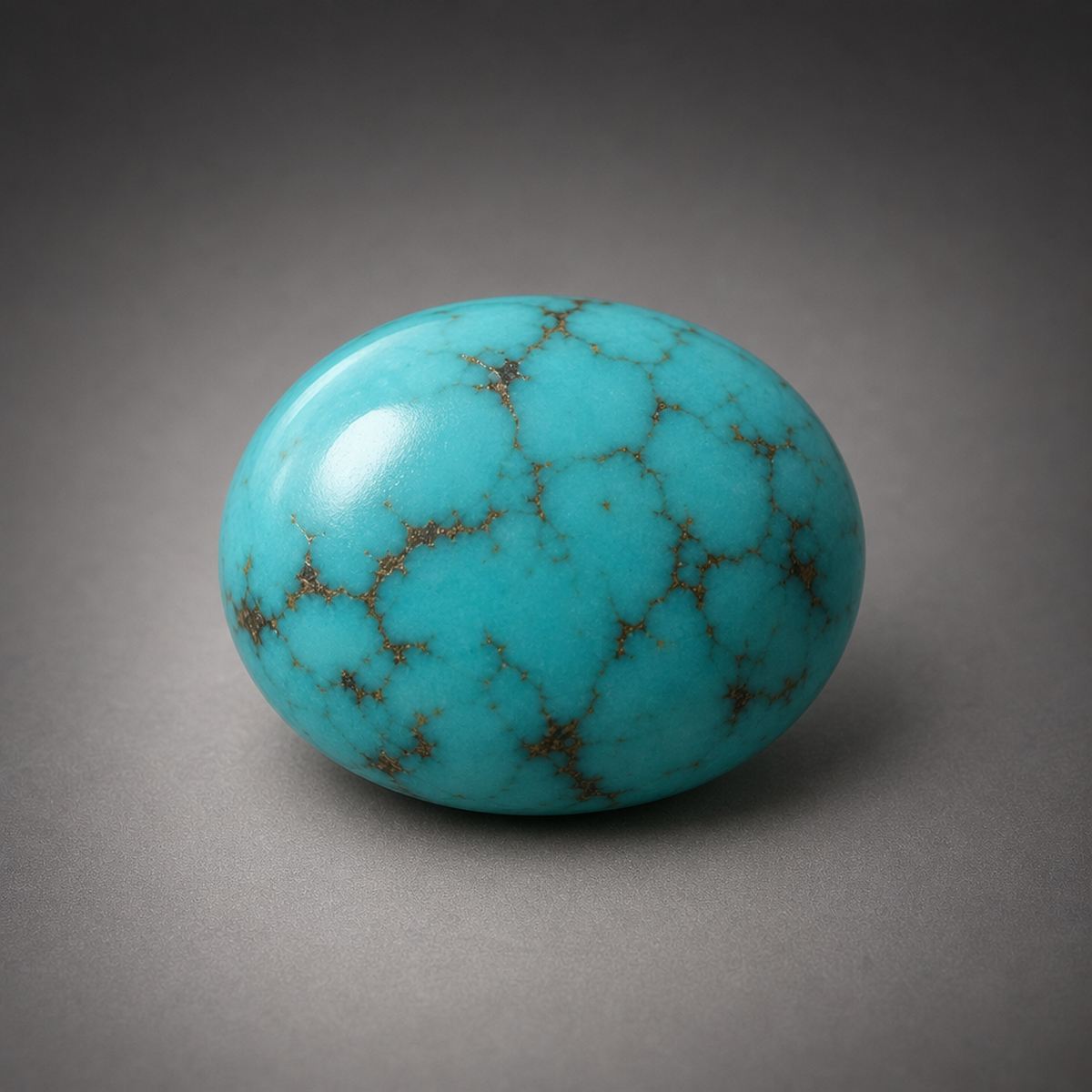
Turquoise
Turquoise lights up jewelry with its deep, bright blue; its copper and iron content gives it its unique shade. Its name is said to come from "Turkish stone": it reached Europe during the Crusades thanks to the Turks. Our turquoises come from Iran and Turkey. Its birthstone month is December.
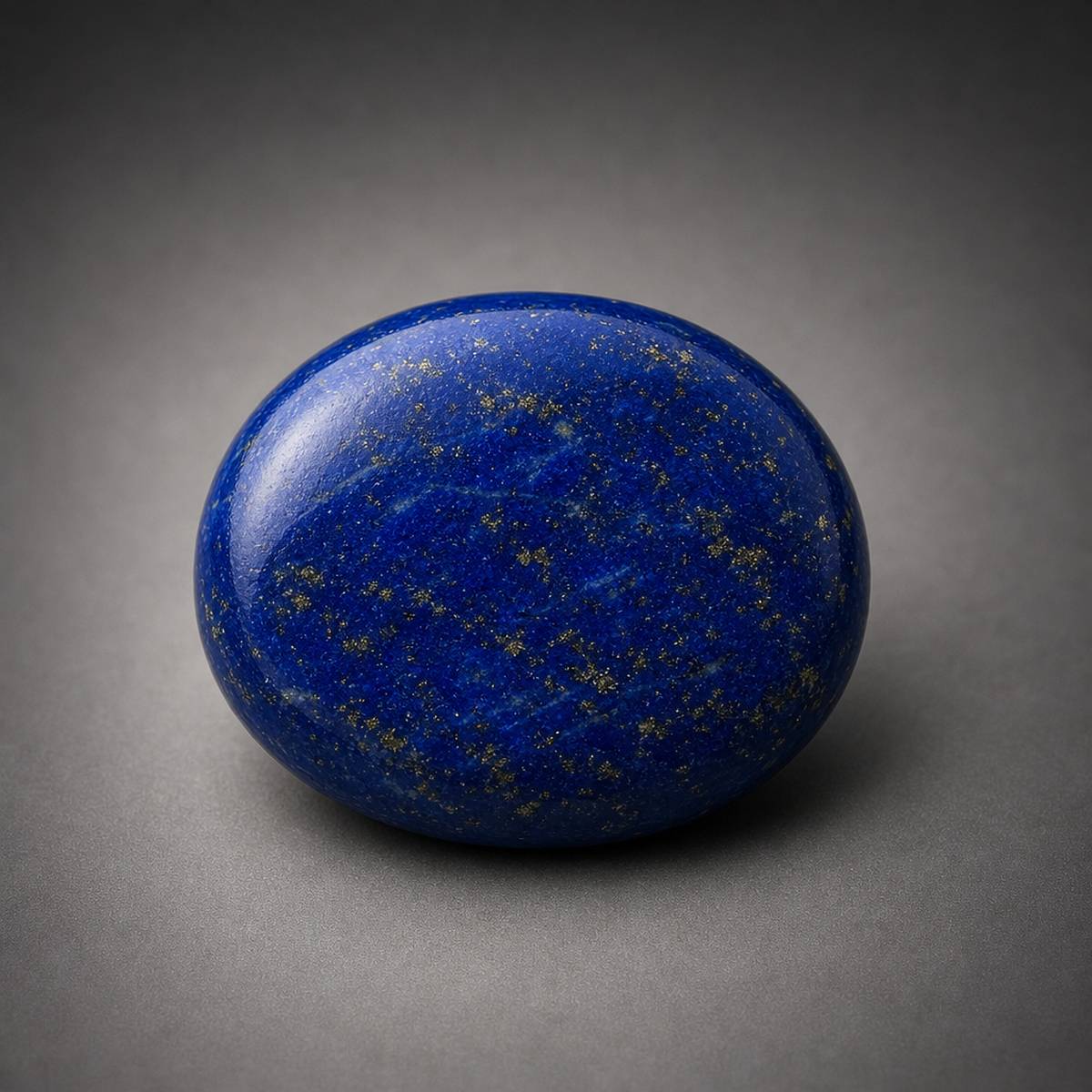
Lapis lazuli
Lapis lazuli has made its place among semi-precious stones thanks to its intense ultramarine blue scattered with golden flecks. According to tradition, it would help reduce stress and make it easier to communicate emotions. It originates from Afghanistan and Chile.
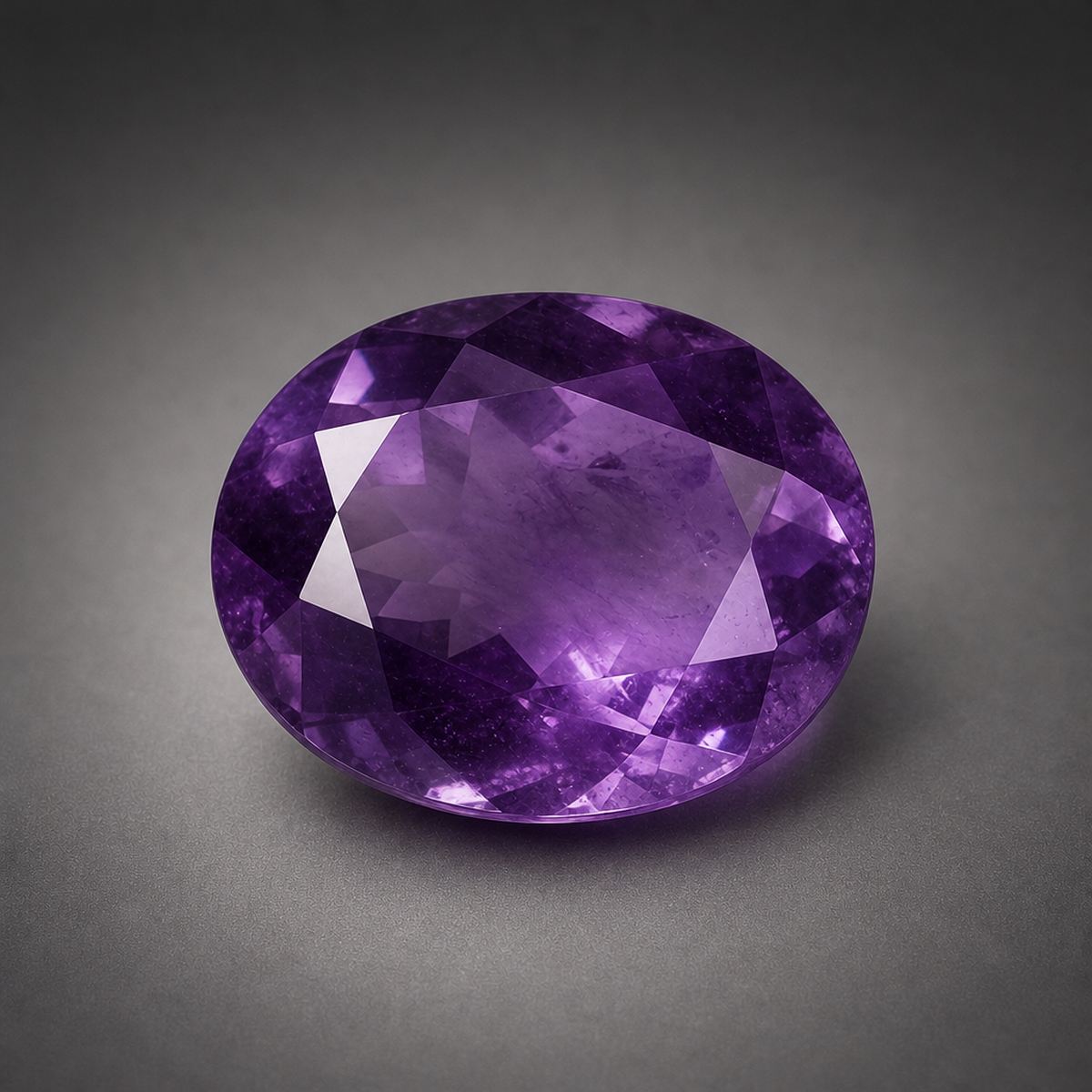
Amethyst
Amethyst, colored by iron, is a semi-precious stone in lighter or darker shades of violet. According to tradition, it soothes and fosters creativity and imagination. Our amethysts come from Brazil, Uruguay, Zambia, India and South Africa. Its birthstone month is February.
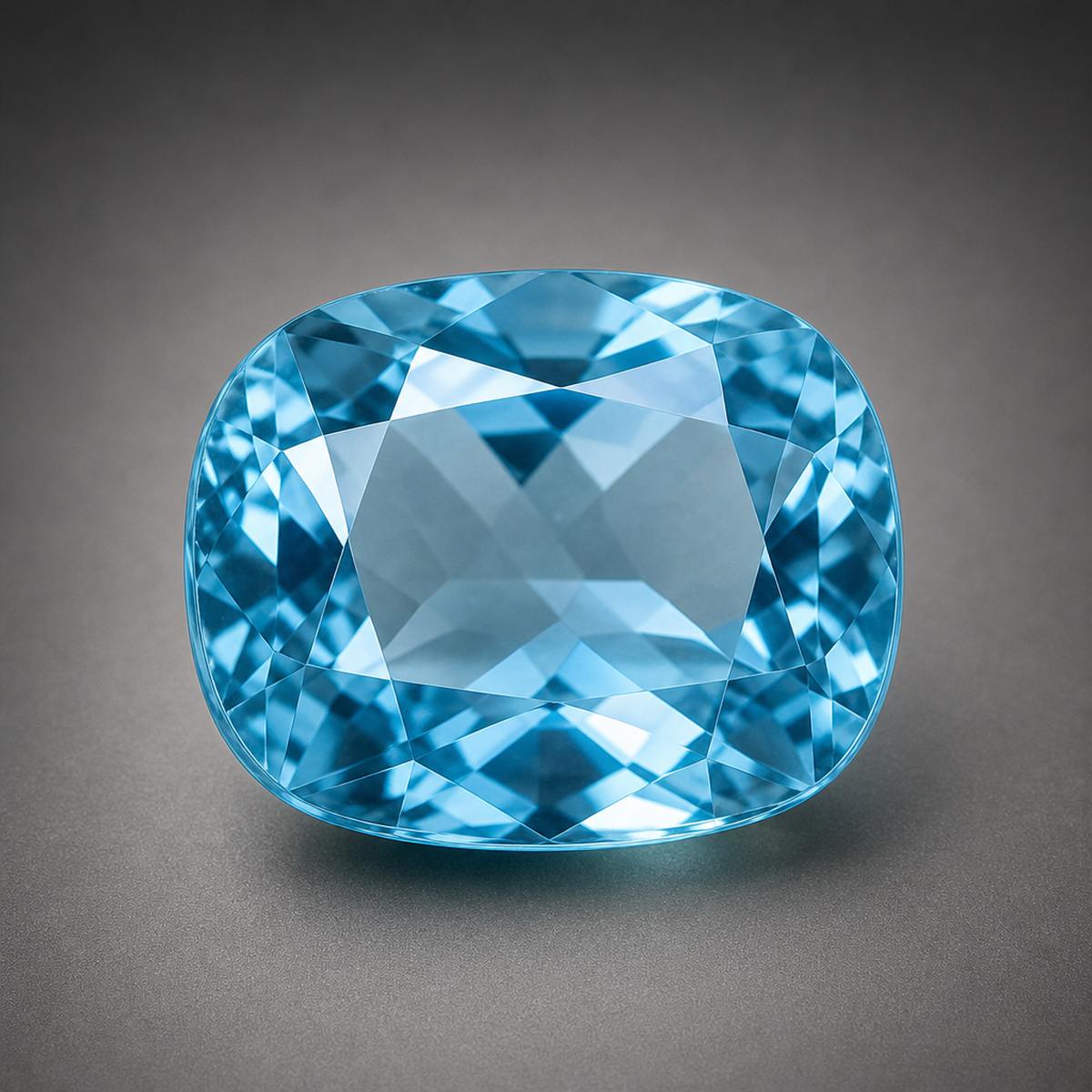
Topaz
Topaz is known for its two colors: yellow and blue. When blue, it often resembles aquamarine, but its blue is deeper. Used in jewelry since antiquity, it is most often treated to reach an intense blue without weakening the stone. It is said to encourage a creative mind and self-confidence. Our topazes come from Brazil, Pakistan and Nigeria.
Citrine
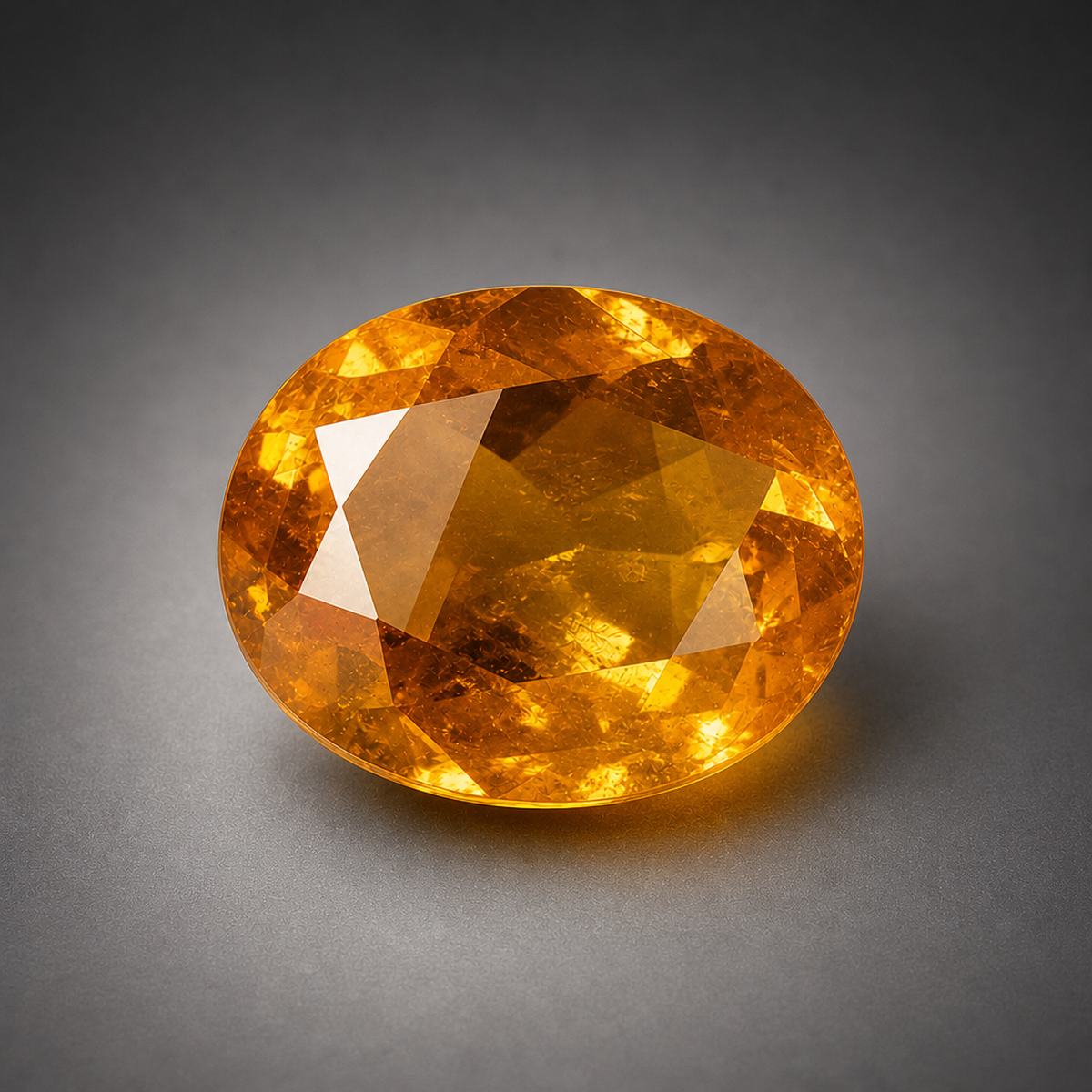
Citrine, whose name comes from the Latin "citrus" (lemon), stands out for its amber or bright yellow color. This semi-precious stone, of the quartz family, is the most widely used yellow gemstone in jewelry. According to tradition, it invigorates and soothes. Its birthstone month is November. Our citrines come from Brazil, Colombia, Bolivia, Zambia and Madagascar.
Peridot
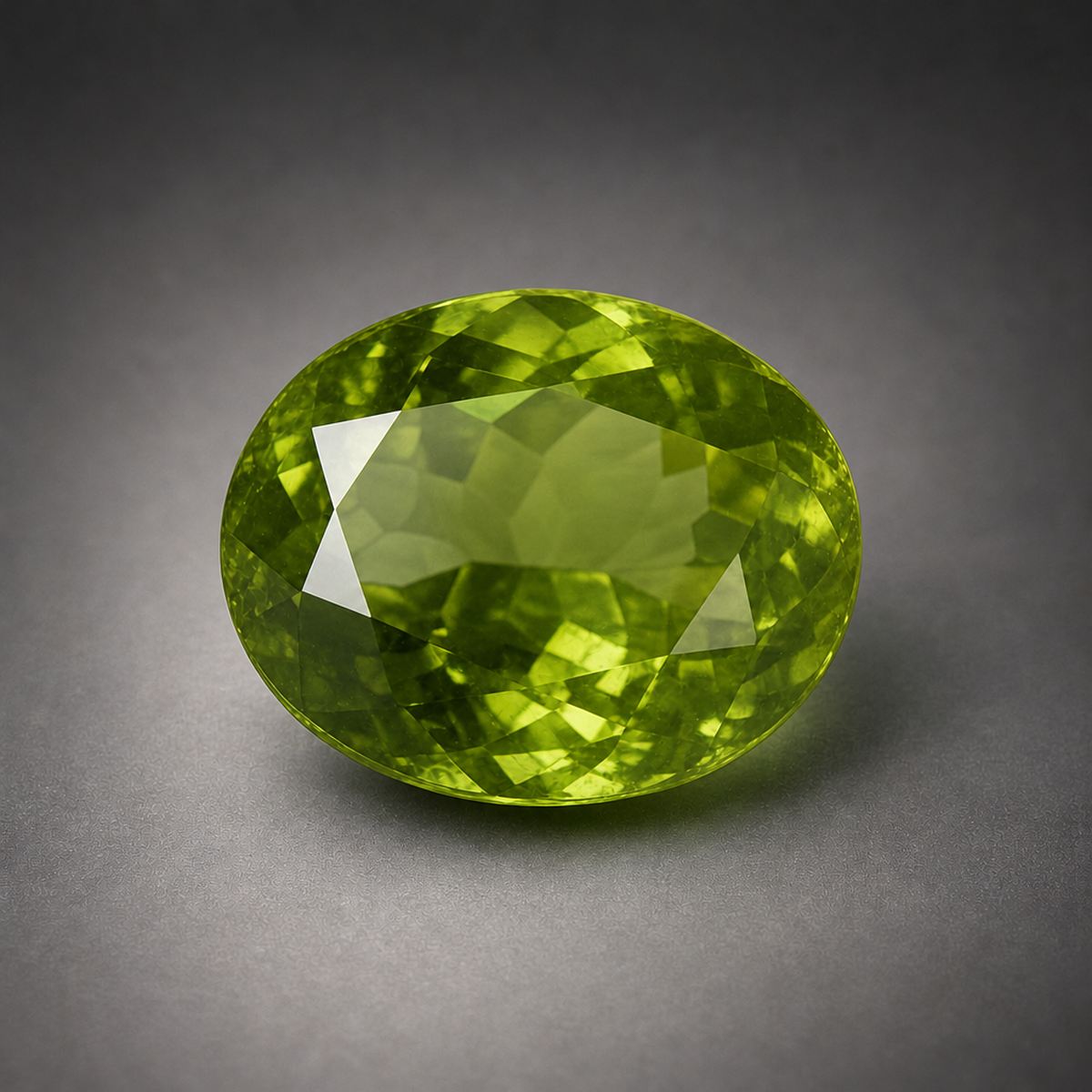
Peridot stands out for its green color, sometimes with yellow reflections. Its luminosity and rare inclusions give it a distinctive look. According to tradition, it brings vitality to body and mind. It comes from China or the United States; its birthstone month is August.
Compare the stones at a glance
Approximate hardness on the Mohs scale (from 1 to 10) and main tip.
| Stone | Hardness (Mohs) | Key point |
|---|---|---|
| Diamond | 10 | The hardest; scratches other stones |
| Ruby, sapphire | 9 | Very resistant, ideal for everyday wear |
| Topaz | 8 | Good resistance, avoid knocks |
| Emerald, aquamarine | 7.5 to 8 | Emerald is fragile to knocks (inclusions) |
| Amethyst, citrine | 7 | Resistant, avoid strong heat |
| Garnet | 6.5 to 7.5 | Holds up well day to day |
| Tanzanite, peridot | 6.5 to 7 | Sensitive to knocks and heat |
| Labradorite, moonstone | 6 to 6.5 | Protect from knocks |
| Turquoise | 5 to 6 | Porous: avoid water, perfume, products |
| Lapis lazuli | 5 to 5.5 | Fragile: avoid knocks and products |
| Coral | 3 to 4 | Soft: avoid knocks, water and products |
| Mother-of-pearl | 3.5 to 4 | Soft: avoid scratches and products |
Birthstones month by month
Each month has its stone or stones. Several calendars exist; we follow common gemological usage.
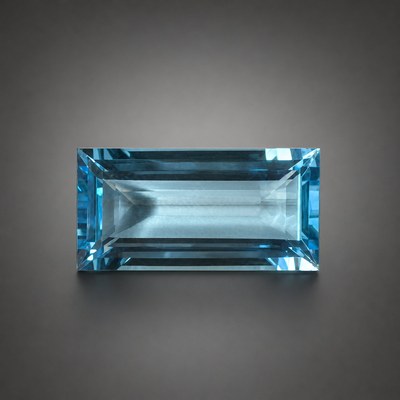
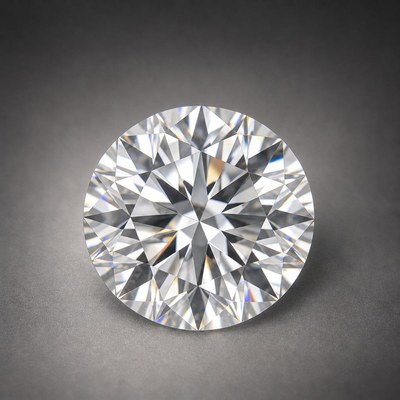
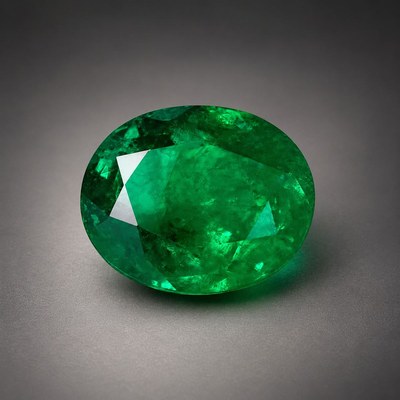
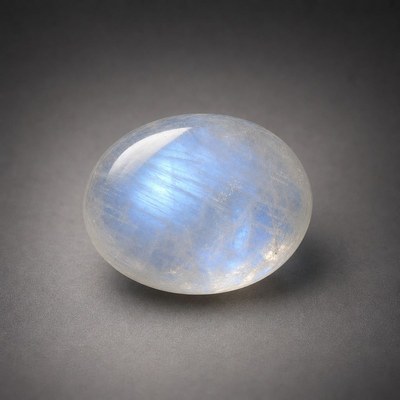
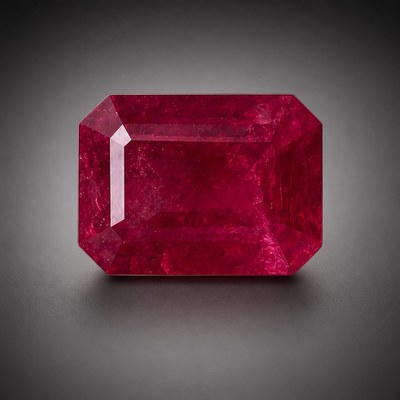
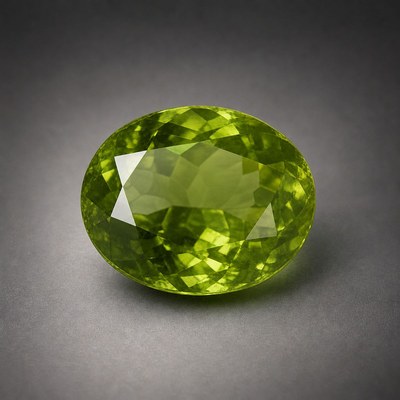
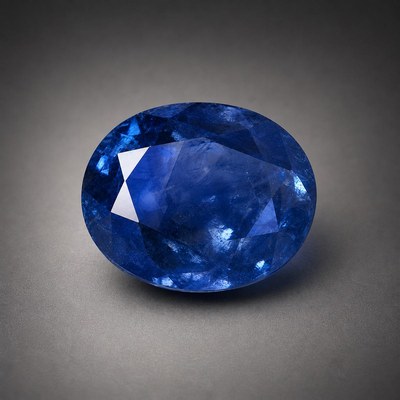
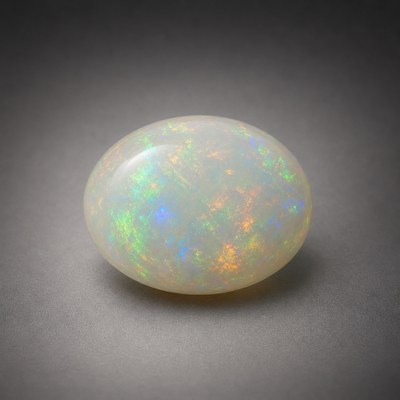
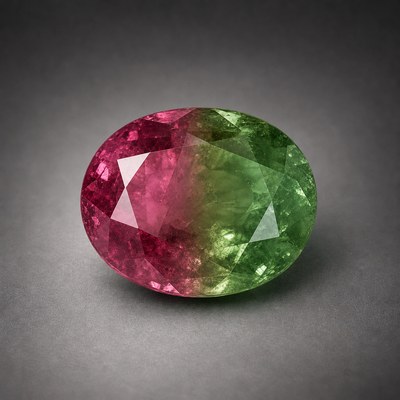
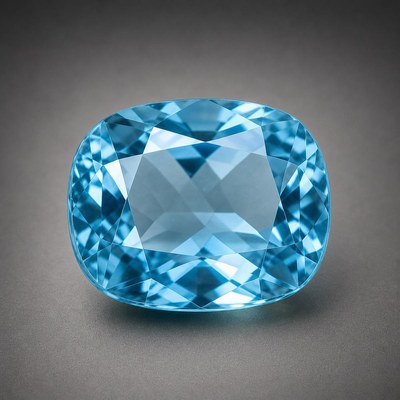
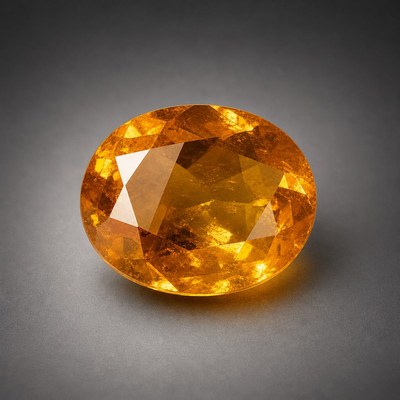
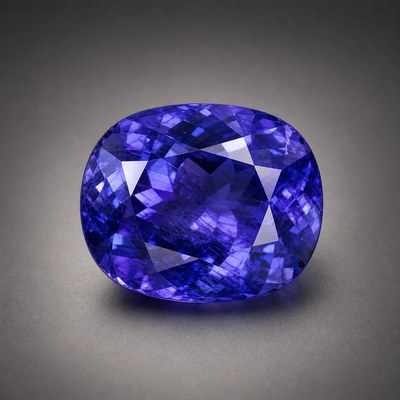
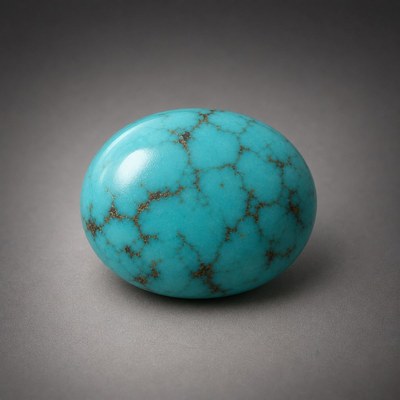
October: also read our article on tourmaline.
Where do gemstones come from?
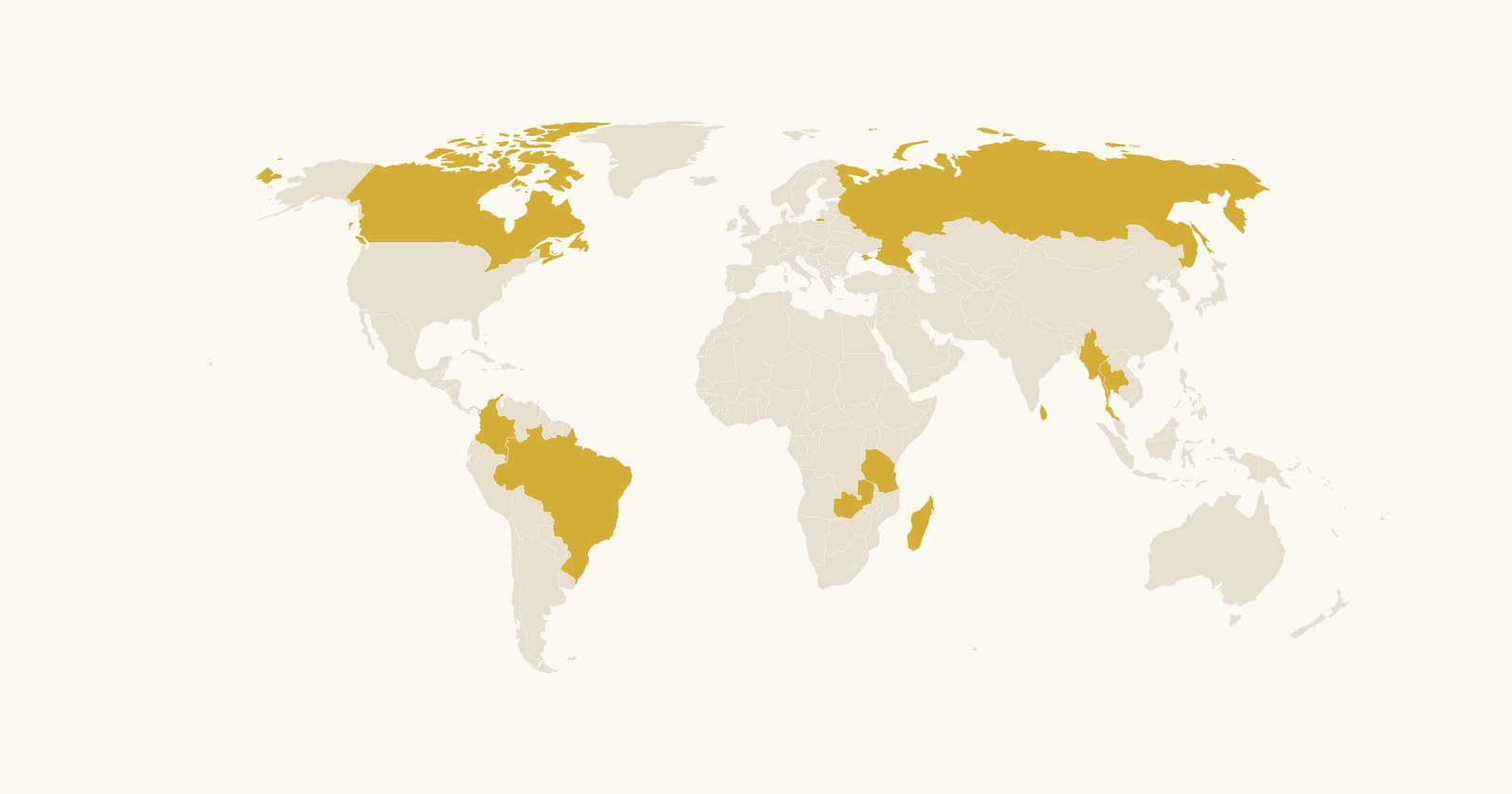
The countries in gold are places where major gemstones are found: Burma, Sri Lanka, Madagascar and Thailand (ruby, sapphire), Colombia, Brazil and Zambia (emerald), Canada (diamond), Tanzania (tanzanite).
This map gives an overview of producing countries; it does not show the precise origin of each stone sold by Aden. Please see the product page for the origin stated.
Diamond: the 4Cs
Four criteria make it possible to compare two diamonds:
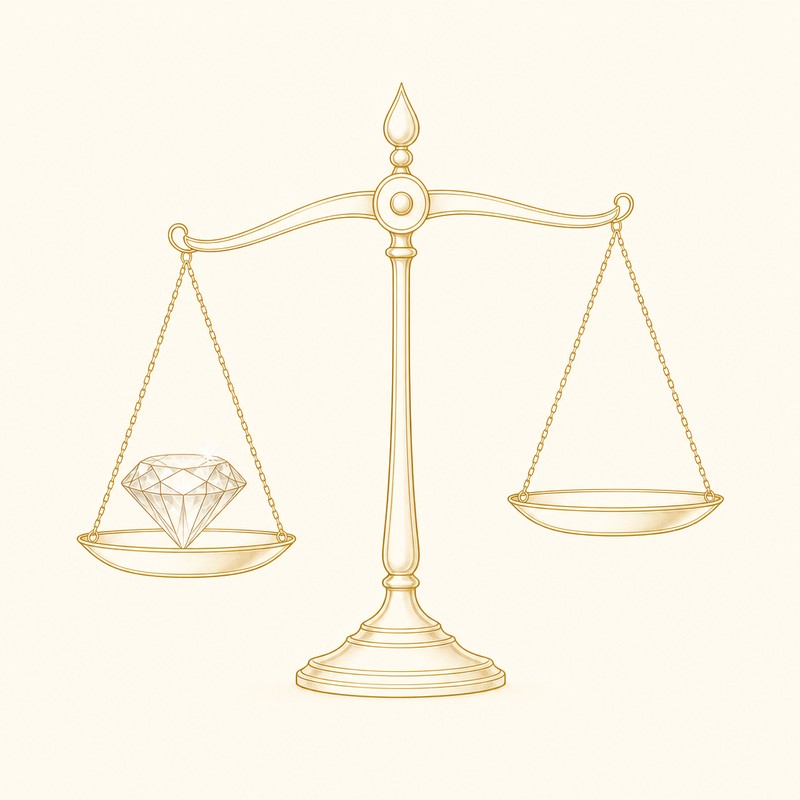
Carat: the weight (1 carat = 0.2 g). The higher it is, the rarer the diamond.
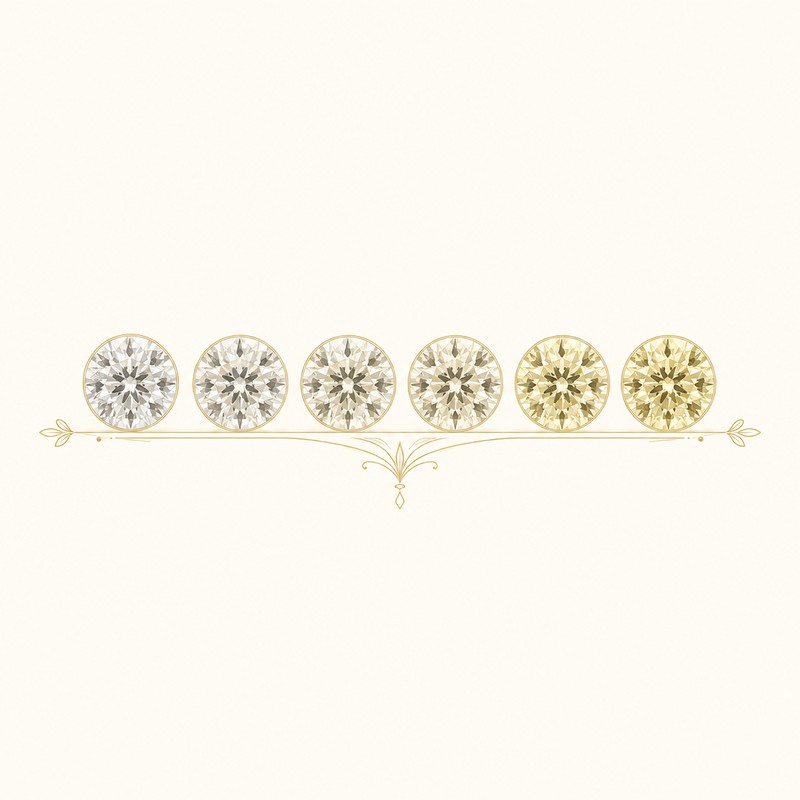
Color: from colorless to slightly tinted. The more colorless a diamond, the more sought after it is.
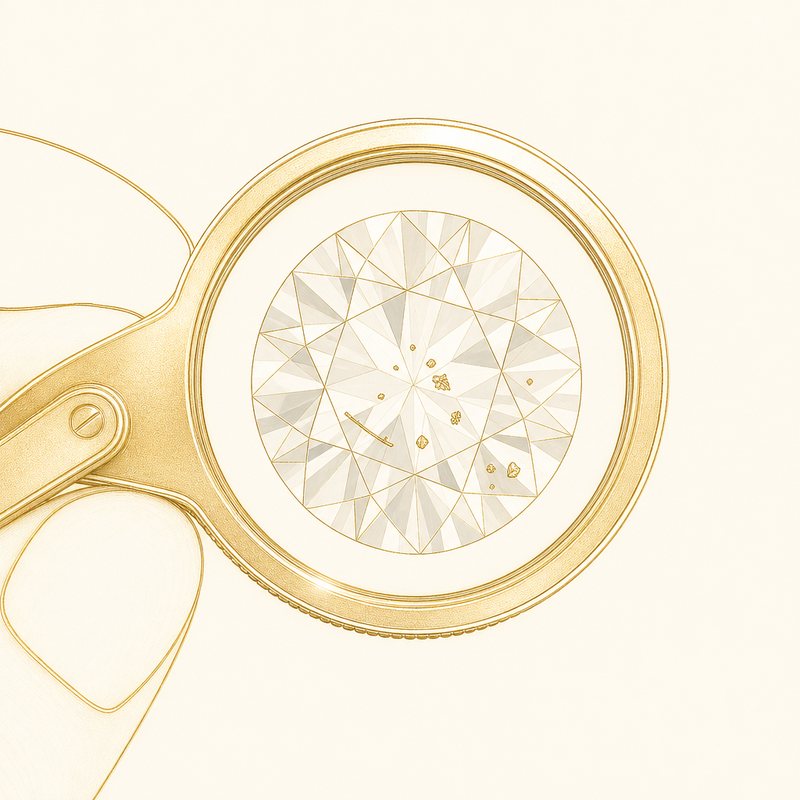
Clarity: the presence or absence of tiny internal inclusions, observed under a loupe.
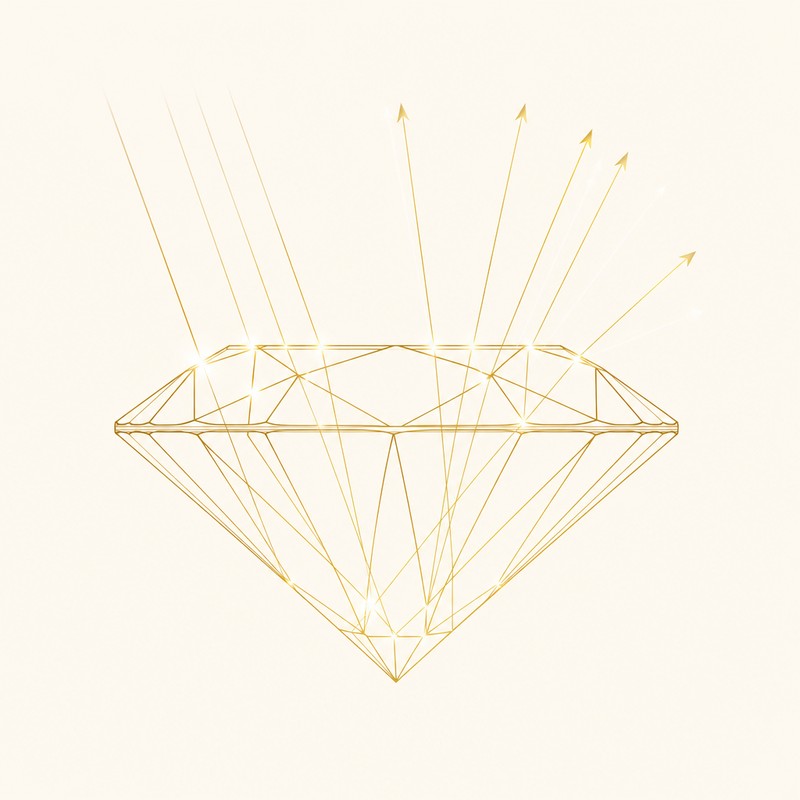
Cut: the quality of the facets and proportions, which determines the sparkle.
Caring for your stones

- Hard stones (diamond, ruby, sapphire): lukewarm soapy water and a very soft brush, rinse, dry with a soft cloth.
- Emerald, tanzanite, topaz: hand cleaning only, no ultrasonic cleaning or thermal shock.
- Mother-of-pearl, coral, turquoise, lapis lazuli: no prolonged soaking, no abrasive products or ultrasonic cleaning; simply wipe with a soft, slightly damp cloth, then dry immediately.
- Storage: separate from other jewelry, in a pouch, to avoid scratches (diamond scratches every other stone).
- Avoid: perfumes, creams, household products; take your jewelry off for sport and manual work.
How to choose your stone?

- Your wish: symbolism, color, birth month.
- Your use: an everyday ring (favor hard stones) or an evening piece.
- Your budget, then the shape and size of the stone.
- The setting: 925 silver or gold.
- The document that comes with the stone.
Aden certificate or laboratory report?
An Aden certificate is included with jewelry set with precious stones: it describes the stone and the piece. As an option, you can request a report from an independent gemological laboratory, issued by a third party that analyzes the stone: GIA (Gemological Institute of America), IGI (International Gemological Institute) or an independent laboratory in Jaipur, the city through which the world's stones pass. This option adds a lead time (a week to at least fifteen days depending on the laboratory); prices and lead times are provided on request. For a custom project, contact us.
To go further: precious stone jewelry, choosing jewelry to suit your style, engagement ring guide.
Frequently asked questions
What is the difference between a precious and a semi-precious stone?
Precious stones are traditionally diamond, ruby, sapphire and emerald; the other mineral gems are called semi-precious. Value depends above all on the quality of each stone.
Which stone should I choose for an everyday ring?
Favor hard stones: diamond, ruby, sapphire. Also discover our engagement ring advice.
How do I find my birthstone?
See the calendar above: each month corresponds to one or more stones.
How do I clean my stone jewelry?
See the Care section: the method depends on the hardness of the stone.
Can a stone be set to order?
Yes: discover our custom design service and our precious stones for sale.
Conclusion
Precious stones, semi-precious stones or organic materials: the best stone is the one that suits you. Browse our collections or get advice from our expert jewelers, Monday to Saturday, from 9 am to 7 pm.
See precious stones for sale Custom design
Last updated: October 2026